



PCOS has been renamed PMOS. It’s just one letter, but it’s designed to change our understanding of the role of metabolism and insulin resistance in a condition that affects 1 in 8 women.
Polycystic Ovary Syndrome (PCOS) is now Polyendocrine Metabolic Ovarian Syndrome (PMOS).
The change was published in The Lancet on 12 May, and was the result of a 14-year, 56-organisation consensus process led by Professor Helena Teede at Monash University, the International Androgen Excess and PCOS Society, as well as patients and advocacy groups.
PCOS: What’s in a name?
Polycystic Ovary Syndrome (PCOS) implied that cysts were central to the condition, but Teede and her co-authors found that there was no increase in abnormal cysts on the ovaries of people with the condition. Endocrine Society
In fact, PCOS is a multi-system hormonal and metabolic disorder. It affects insulin sensitivity, cardiovascular risk, weight regulation, skin, mood, and fertility.
However, women have often been dismissed or ignored if they didn’t present with cysts, even as they suffered from the metabolic and fertility issues linked with PCOS.
Diagnosis often takes years and multiple clinicians. Part of that delay is the name itself. Statnews
Understanding metabolism and PMOS
The name change offers the chance to better consider the effects of metabolism on PMOS.
For those managing the condition, nothing in the care plan changes today. But for those pursuing a diagnosis, understanding metabolism’s role can create better-informed conversations. Ask your doctor about metabolic screening if it hasn’t been on the table, and understand how insulin sensitivity, sleep, and stress connect to what you’re experiencing.
- Glucose variability. Insulin resistance is one of the defining features of the condition. It shows up as sharper post-meal glucose spikes, longer time spent above range, and a slower return to baseline — patterns that continuous glucose monitoring makes visible.
- Sleep and recovery. Poor sleep worsens insulin resistance and androgen levels, and insulin resistance worsens sleep.
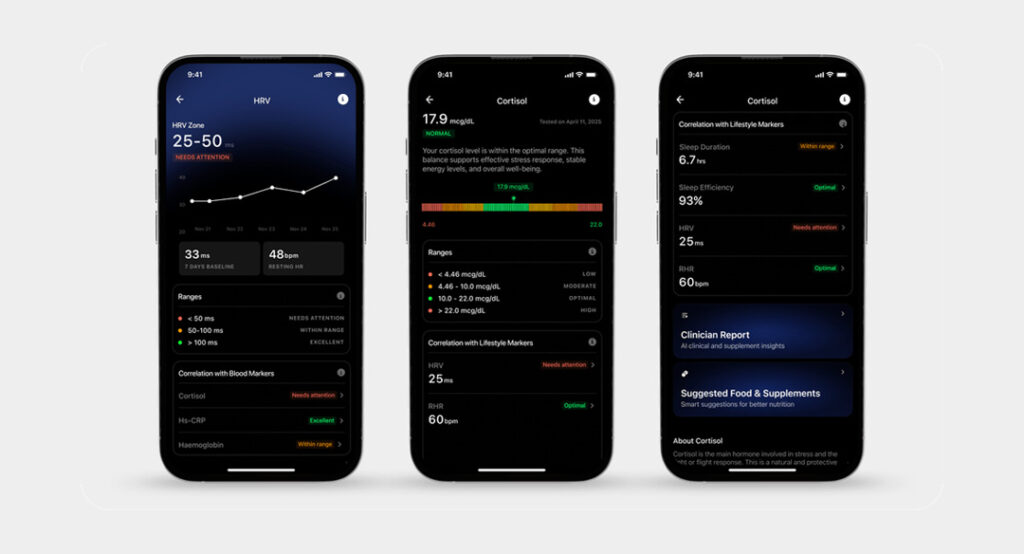
- HRV and stress load. Chronic stress drives cortisol, which drives insulin resistance, which drives symptoms.
- Cycle patterns. Irregular, anovulatory, or absent cycles are part of the picture — but they’re a downstream signal of the hormonal and metabolic state, not the root.
Changes take time
PCOS will still be used by clinicians and pharmacists for a couple more years. An implementation strategy was codeveloped alongside the rename itself, with full adoption targeted across international guidelines, medical education, and classification systems over the next three years. Endocrine Society
The WHO’s ICD-11 still lists the condition as polycystic ovary syndrome. ICD-10-CM, which US insurers and clinicians bill against, still uses the old term.
In practice: if you’ve been diagnosed with PCOS, your records will say PCOS for a while yet. Your doctor will say PCOS. Your pharmacy will say PCOS – but this will start to change.
Understanding metabolism and PMOS
- Glucose variability. Insulin resistance is one of the defining features of the condition. It shows up as sharper post-meal glucose spikes, longer time spent above range, and a slower return to baseline. That can lead to weight gain, difficulty losing weight, and an increased risk of diabetes in the future.
- Sleep and recovery. Poor sleep worsens insulin resistance and androgen levels, and insulin resistance worsens sleep.
- HRV and stress load. Chronic stress drives cortisol, which drives insulin resistance, which drives symptoms.
- Cycle patterns. Irregular, anovulatory, or absent cycles are part of the picture, which may impact your ability to conceive or mean that pregnancy takes longer to achieve.
Conclusion
The change to PMOS will hopefully lead to better outcomes and improved understanding. The metabolic role within PMOS has been underappreciated, and this awareness could help women manage the condition.
If you’ve never been diagnosed but the symptoms sound familiar — irregular cycles, weight that won’t shift, fatigue, mood, skin changes — the PMOS framing might be what gets you the support you need.